The Challenge
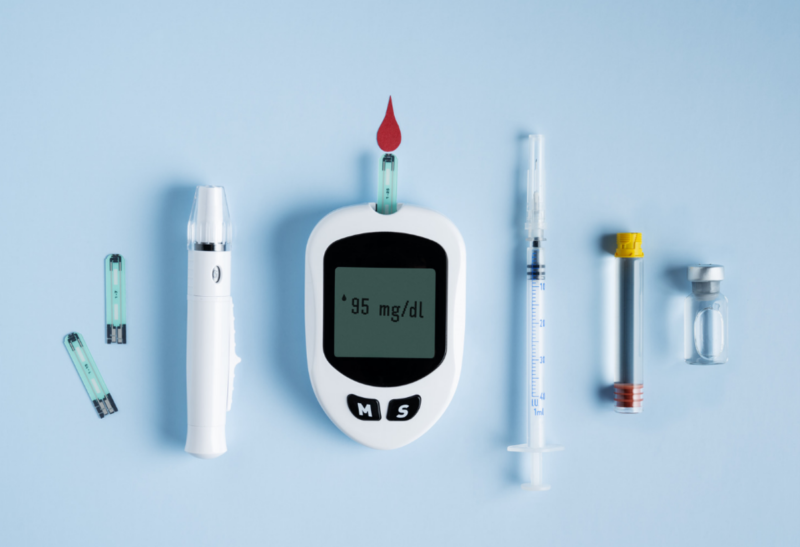
Community insulin administration represents a significant and growing challenge for healthcare providers. One of our alliance members was responsible for approximately 350,000 insulin administrations each year, at an estimated annual cost of £24.5 million. Alongside this substantial activity, around 1,000 insulin-related incidents were reported annually, highlighting an opportunity to strengthen safety while improving the sustainability of services.
Recognising that incidents are often influenced by wider system factors rather than individual actions, the organisation wanted to better understand the relationship between workforce experience, safety culture and insulin administration outcomes.
Our Approach
Aqua has been supporting organisations to measure and improve safety culture for the internationally acclaimed AHRQ (Agency for Healthcare Quality and Safety) Safety Culture Survey across acute, community, mental health, and palliative frontline staff in improvement and safety culture for sustainable change.
Our approach focuses on understanding operational data with staff insight to develop a comprehensive picture of the challenges facing insulin administration services.
Working closely with clinical teams, we combined operational data with staff insight to develop a comprehensive picture of the challenges facing insulin administration services.
This included:
- Analysis of incident and performance data
- Staff culture surveys
- Staff engagement workshops with representative teams
- Thematic analysis of qualitative findings
- Return on investment and capacity modelling.
By bringing together both quantitive and qualitative evidence, we were able to move beyond individual incidents and identify the organisational factors influencing performance.
What We Discovered
A key finding was the apparent link between areas reporting lower safety culture scores and those experiencing higher incident rates. This reinforced the importance of workforce experience, team culture and organisational support in creating safer services.
Our analysis highlighted six interconnected themes for improvement:
- Workforce capability and sustainability
- Demand management and pathway optimisation
- Documentation, prescribing and digital systems
- Specialist support and clinical leadership
- Discharge and transfer of care
- Supporting patient independence
Potential Impact
The work demonstrated how a safety culture approach can uncover opportunities that benefit both patients and services.
Modelling suggested that relatively small improvements in efficiency, estimated at around 5%, could release significant nursing capacity. This time could then be reinvested into patient care, helping services respond to growing demand while improving quality and safety.
Beyond the operational benefits, the programme highlighted how listening to staff, understanding system-wide factors and building a positive safety culture can create the foundations for safer care, a better workforce experience and more sustainable services.
Key Takeaway
Improving safety culture is not an abstract exercise. By combining data, staff insight and local ownership, organisations can identify practical changes that improve patient safety, strengthen workforce wellbeing and release valuable capacity back into care.