
Case Studies

Case Study: Whole System Flow Diagnostic

Back to Insights & Resources

As community health and justice services came together under a single leadership structure, Aqua facilitated a whole-system review to understand current pathways, strengthen collaboration and identify opportunities for improvement.

Case study

Non-Custodial Community Health and Justice Pathways: Whole System Flow Diagnostic

Context

GMMH is commissioned to provide both local and GM-wide Non-custodial Community Health & Justice services. For the first time, all services and pathways sit together under one leadership and governance structure. Aqua were commissioned to support a whole system approach to understanding the pathways and exploring opportunities for improvement, with the ultimate aim of reducing re-offending.

What we did

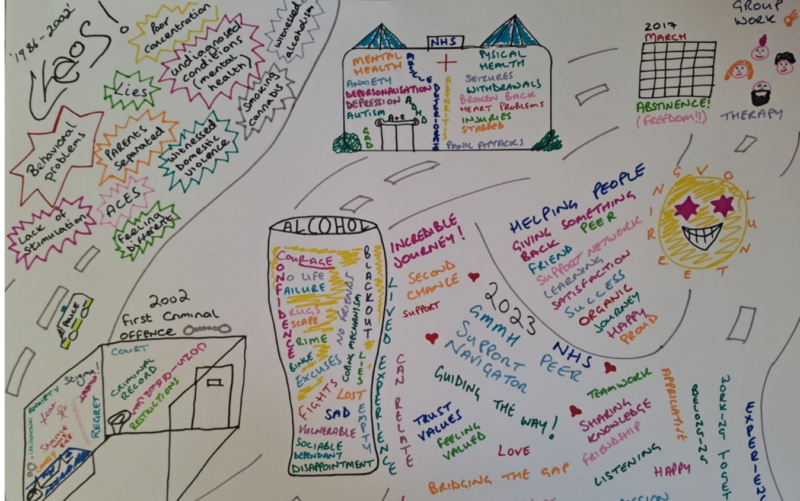
We engaged with a range of stakeholders through 1-2-1 meetings, group mapping sessions, and a system event. The stakeholders included GMMH service stakeholders, wider system stakeholders and service users with direct lived experience of using the services within the pathways. The service user journey mapping gave a system view of the services and highlighted opportunities for improvement to speed up support, as well as the importance of creating enabling system conditions to to ensure that interventions have the best chance of success in reducing re-offending. We saw some great examples of service users who had received successful interventions, allowing them to make positive changes to their lives. Some of these people are now employed by GMMH as peer support and community engagement workers.

Results

The service user feedback shaped a set of recommendations to effect change at an individual and system level and foster hope earlier in the user journey. They suggested It would be beneficial for the offer to include:

  1. Mental health support earlier in the pathway
  2. Better engagement and communication with service users to foster a trusting and supportive system.
  3. A trauma-informed and holistic approach – see the person first, rather than focusing on the behaviour first.
  4. Skills development support such as:
    • Parenting skills and classes
    • Anger management classes
    • Life skills
    • Family support workers for service users with children
    • Interview skills, help writing CVs and completing job applications
    • Relationship building with family, children and friends
    • Accessing housing
    • Allowing service users to charge their mobile phones at appointments

“Housing is difficult to access with a record – no income or bank account. Food insecurity, first two weeks after being released from prison I was in hospital with a drug overdose.”

Case Study Whole System Flow Diagnostic

Download PDF

More Case Studies

Find out how we can support your organisation

Get in touch